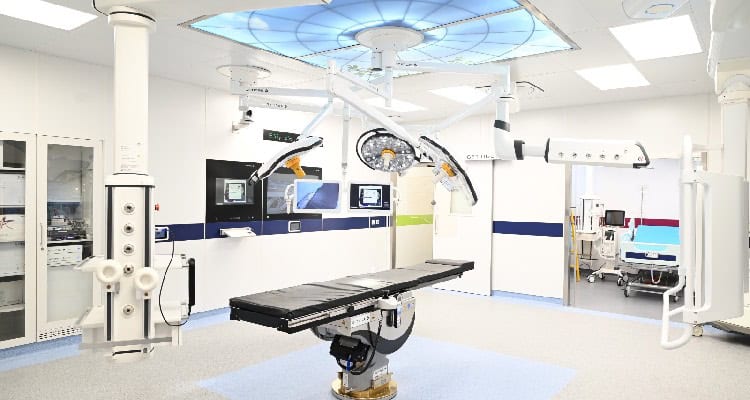
The Importance of Medical Services in Modern Society
Medical services play a vital role in maintaining the health and well-being of individuals and communities. They include a wide range of healthcare facilities, professionals, and treatments designed to prevent, diagnose, and treat illnesses. In today’s fast-paced world, access to quality medical services is essential for a healthy and productive life.
Medical services are not limited to hospitals and clinics; they also include preventive care, emergency services, diagnostic testing, rehabilitation, and mental health support. Preventive medical services such as vaccinations, health check-ups, and screenings help detect diseases at an early stage, reducing the risk of serious complications. Early diagnosis and timely treatment can save lives and reduce healthcare costs in the long run.
One of the most important aspects of medical services is emergency care. Emergency medical services (EMS) provide immediate assistance during accidents, heart attacks, injuries, and other life-threatening situations. Quick response and professional medical care can make a significant difference between life and death. Hospitals, ambulance services, and trained medical staff work together to ensure that patients receive prompt and effective treatment.
Medical services also contribute significantly to the quality of life. Chronic diseases such as diabetes, heart disease, and asthma require long-term medical care and monitoring. With the help of modern medical technologies and skilled healthcare professionals, patients can manage their conditions effectively and live healthier lives. Rehabilitation services, including physiotherapy and occupational therapy, help patients recover from injuries and surgeries, enabling them to regain their independence.
In recent years, technology has transformed medical services. Telemedicine, online consultations, and digital health records have made healthcare more accessible and efficient. Patients can now consult doctors remotely, receive prescriptions online, and monitor their health using smart devices. These advancements are especially beneficial for people living in remote or rural areas where access to hospitals and specialists is limited.
Medical services also play a crucial role in public health. Healthcare systems help control the spread of infectious diseases through vaccination programs, awareness campaigns, and research. During global health crises such as pandemics, medical services are at the frontline, protecting communities and saving millions of lives. Public health initiatives focus on improving sanitation, nutrition, and lifestyle habits, which are essential for long-term health.
However, challenges still exist in the healthcare sector. Many people around the world lack access to affordable and quality medical services. High treatment costs, shortage of healthcare professionals, and inadequate infrastructure are major issues. Governments, private organizations, and communities must work together to improve healthcare systems and ensure that everyone has access to essential medical care.
In conclusion, medical services are the backbone of a healthy society. They protect lives, improve quality of life, and support economic and social development. Investing in healthcare is not just a necessity but a responsibility. By strengthening medical services and making them accessible to all, we can build a healthier and more resilient future.